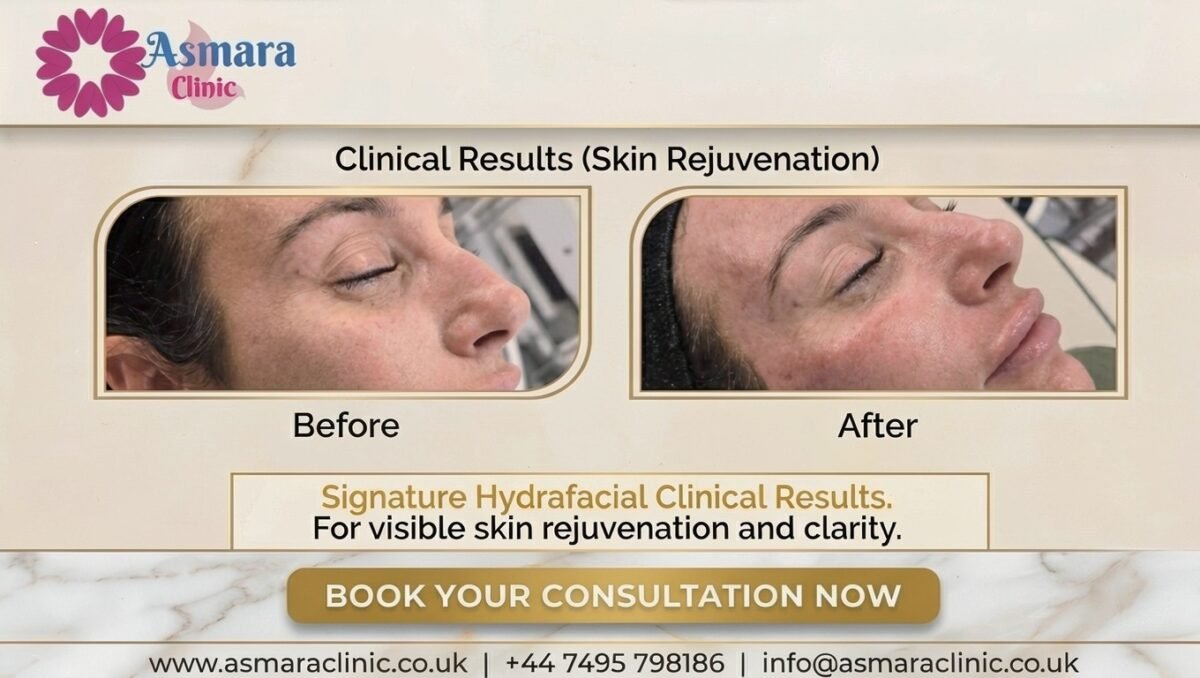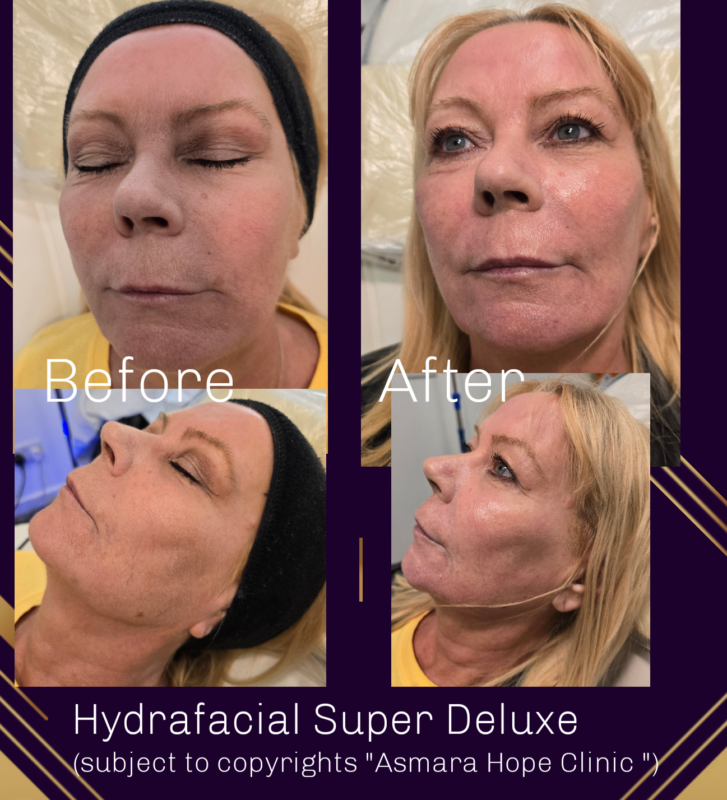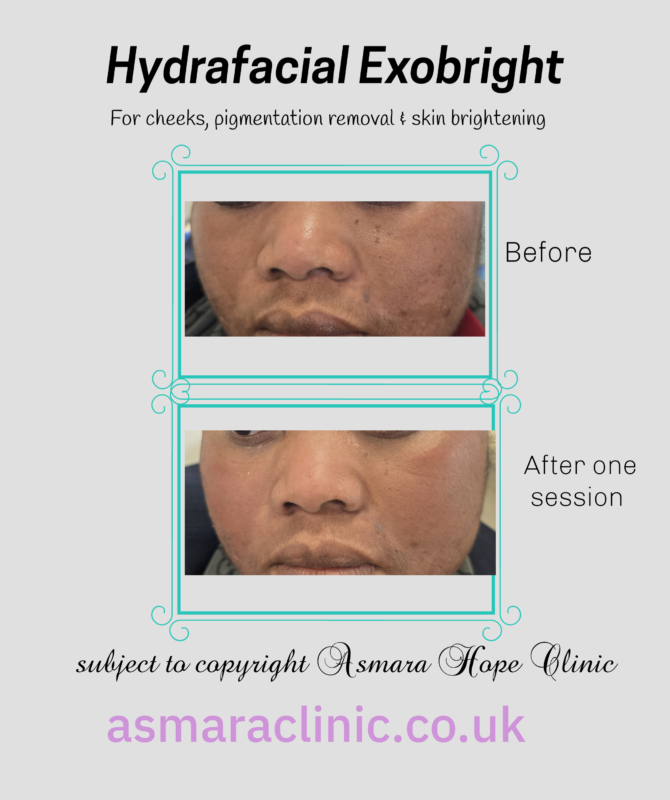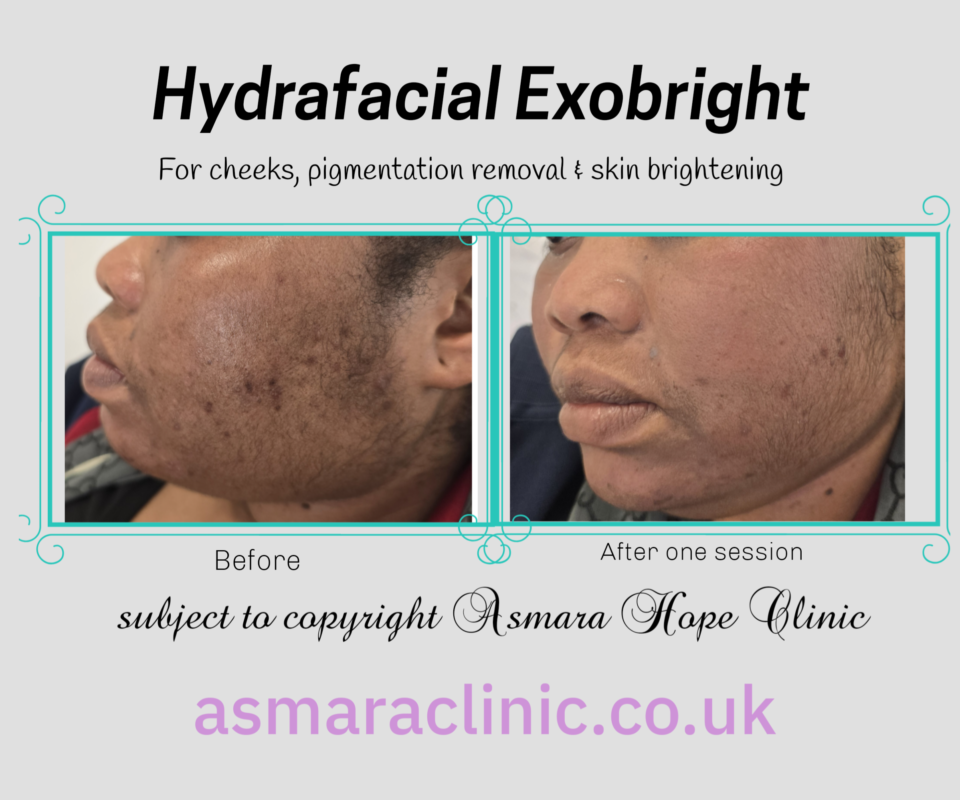

A HydraFacial can leave the skin looking fresher, smoother and more hydrated, but how frequently should you book one?
For many people, having a HydraFacial approximately every four to six weeks can work well as part of a regular skincare routine. However, there is no universal schedule that suits every skin type, concern or treatment goal. Some people may prefer occasional appointments every two or three months, while others may be advised to follow a more focused treatment programme.
Your ideal HydraFacial frequency will depend on your skin condition, sensitivity, home skincare routine, previous treatments and how your skin responds after each appointment.
This guide explains how often you can have a HydraFacial, whether monthly treatments are necessary and what factors should determine your treatment schedule.
How Often Should You Get a HydraFacial?
Most people can consider having a HydraFacial once every four to six weeks for regular skin maintenance.
A monthly appointment is common among clients who want to maintain hydration, manage congestion or keep their complexion looking consistently refreshed. However, people seeking only an occasional boost may be satisfied with a treatment every two to three months.
The official HydraFacial guidance states that many clients book treatments approximately once a month, while others find that an interval of two or three months suits their needs. More frequent treatments may sometimes form part of a targeted programme, although the appropriate schedule should always be recommended by a trained practitioner.
HydraFacial frequency at a glance
| Skin goal | Possible treatment frequency |
| Regular skin maintenance | Every four to six weeks |
| Occasional hydration and refreshment | Every two to three months |
| Congested or oily-looking skin | Based on a professional skin assessment |
| A focused treatment programme | As advised by your practitioner |
| Preparation for a special event | Planned several weeks in advance |
| Sensitive or reactive skin | Personalised, potentially longer intervals |
These timings are general examples rather than fixed treatment instructions. Your practitioner should assess your skin before recommending how often you should return.
What Is a HydraFacial?
A HydraFacial is a non-invasive facial treatment that combines several skincare stages in one appointment. Depending on the treatment selected, these stages may include:
- Cleansing the skin
- Gentle exfoliation
- Removal of surface debris
- Suction-based extraction
- Hydration
- Application of targeted serums
- Optional boosters or light-based treatments
The treatment uses specialised tips and controlled suction to cleanse, exfoliate and hydrate the skin. It can also be customised with different serums and add-ons according to the client’s skin condition and cosmetic goals.
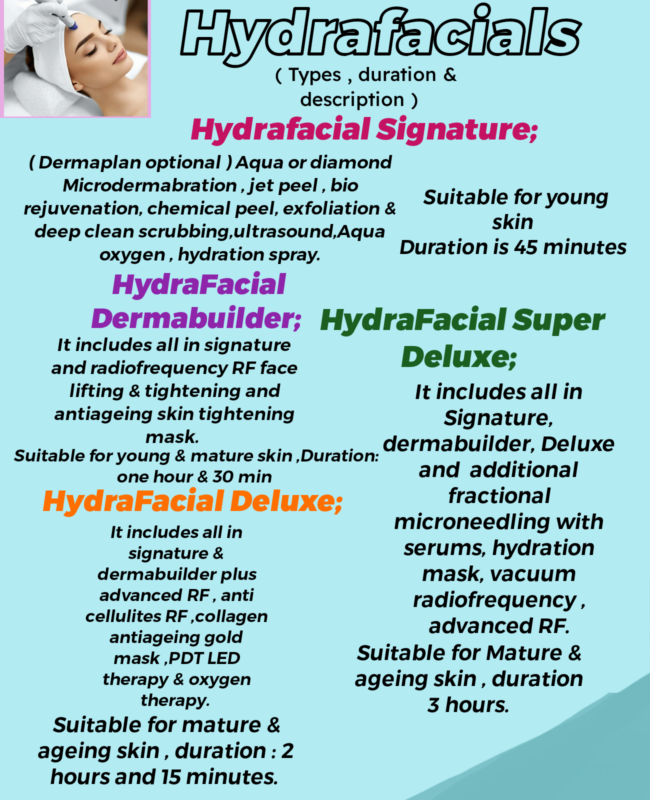
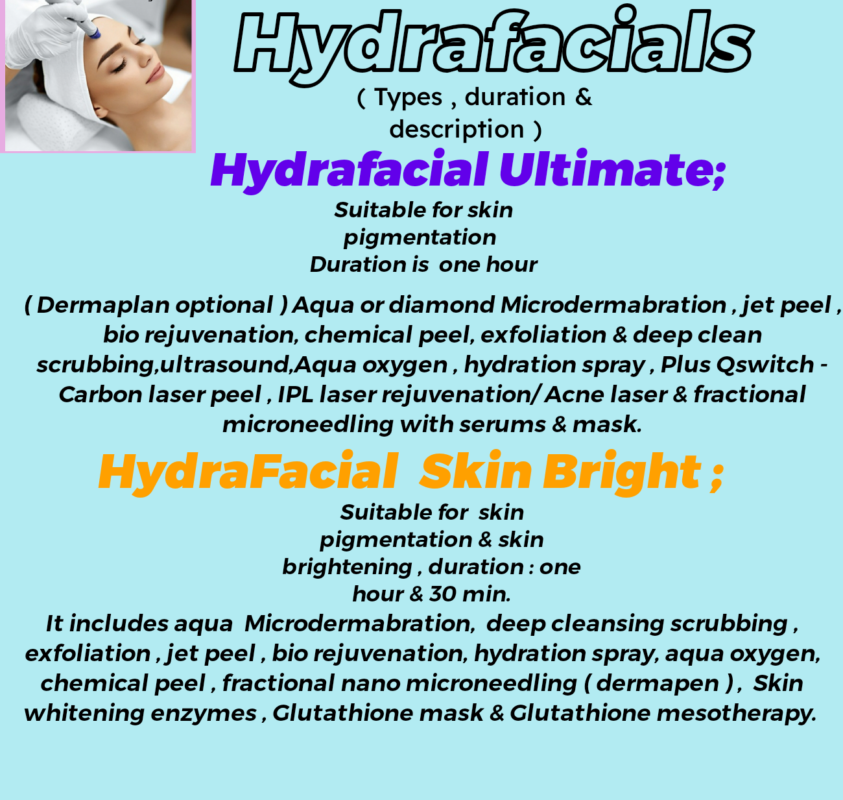
Asmara Clinic offers different HydraFacial treatments in Glasgow, including Signature, Dermabuilder, Super Deluxe and advanced facial options. The appropriate treatment should be selected after considering your skin type, concerns and previous experience with professional skincare.
Why Does HydraFacial Frequency Vary?
Two people booking the same facial may need completely different treatment schedules. One person may be managing persistent congestion, while another may simply want a hydrating treatment before an event.
The following factors can affect how often you should get a HydraFacial.
Your skin type
Your natural skin type plays an important role in treatment planning.
People with dry or dehydrated-looking skin may choose regular treatments to support hydration and improve the appearance of roughness. Those with oily or combination skin may be more interested in cleansing and extraction.
Sensitive or reactive skin may require a gentler treatment and more time between appointments. A treatment should not be repeated simply because a certain number of weeks have passed if the skin remains irritated or unsettled.
Your main skin concerns
Your treatment schedule may also depend on what you want to address.
Common reasons for choosing a HydraFacial include:
- Dryness or dehydration
- Dull-looking skin
- Congested pores
- Blackheads
- Uneven-looking texture
- Excess surface oil
- Fine lines
- A lack of radiance
A client seeking an occasional glow may not need the same frequency as someone following a structured plan for ongoing congestion.
It is also important to keep expectations realistic. A HydraFacial may support the appearance and condition of the skin, but it should not be presented as a cure for acne, rosacea, pigmentation disorders or other medical skin conditions.
Your treatment goals
Consider whether your goal is short-term or ongoing.
You may be looking for:
- A one-off facial before an occasion
- Seasonal skin maintenance
- Regular hydration
- Support for congested-looking skin
- A longer-term professional skincare routine
- A combination of HydraFacial and other treatments
A person wanting an occasional facial may book every few months. Someone who enjoys maintaining the results throughout the year may prefer appointments every four to six weeks.
The type and intensity of treatment
Not every HydraFacial appointment is identical.
The intensity may differ according to:
- The exfoliation solution used
- The amount of extraction required
- The strength of suction
- The selected booster
- Whether dermaplaning is included
- Whether LED or another add-on is used
- The sensitivity of the treatment area
A more intensive session may require a different interval from a gentle maintenance facial. This is one reason treatment frequency should be based on the full procedure rather than the HydraFacial name alone.
Your existing skincare routine
Products used at home can affect how the skin responds to professional exfoliation.
Tell your practitioner about products containing ingredients such as:
- Retinoids
- Retinol
- Glycolic acid
- Salicylic acid
- Benzoyl peroxide
- Prescription acne ingredients
- Strong exfoliating blends
Using several exfoliating products alongside frequent professional treatments may increase dryness or sensitivity in some people.
Do not stop prescription skincare without speaking to the healthcare professional who prescribed it. Your HydraFacial provider can adjust or postpone the treatment when necessary, but should not replace medical advice.
Other recent cosmetic treatments
Recent facials, chemical peels, microneedling, laser procedures, injectables or other cosmetic treatments may affect when a HydraFacial can be performed.
There is no single waiting period that applies to every combination. Timing depends on:
- Which procedure you had
- How intensive it was
- Which area was treated
- How your skin has healed
- Whether irritation remains
- The advice of the practitioners involved
Always disclose recent and planned treatments before your appointment.
How your skin responded previously
Your skin’s reaction to the previous appointment is one of the clearest indicators of whether the schedule should change.
Temporary mild redness can occur after many facial treatments. However, persistent irritation, unusual dryness, swelling, discomfort or a worsening skin concern should be reported before another session is booked.
Your schedule may need to be extended or the next treatment modified.
Can You Get a HydraFacial Every Month?
Yes, many people choose to have a HydraFacial once a month.
A monthly schedule may be suitable for clients who enjoy regular professional skincare and want to maintain a hydrated, polished-looking complexion. It can also provide an opportunity for the practitioner to review changes in the skin and adjust the treatment.
However, monthly HydraFacials are not compulsory.
You may not need one every month when:
- Your results remain satisfactory for longer
- Your skin becomes sensitive after treatment
- You use other professional skincare procedures
- You only want an occasional facial
- Your home skincare routine already supports your goals
- Your practitioner recommends a longer interval
The best schedule is the one that provides value for your skin without causing unnecessary treatment.
Can You Get a HydraFacial Every Two Weeks?
HydraFacials have been used at two-week intervals in some focused treatment programmes and clinical studies. However, that does not mean everyone should automatically book a treatment every fortnight.
For example, one small study involving adults with mild-to-moderate acne used six HydraFacial Clarifying Treatments at two-week intervals. The programme included cleansing, peeling, extraction and blue LED treatment. Although the treatment was generally well tolerated in the study, it was a structured clinical protocol for a selected group rather than a universal beauty schedule.
Other hydradermabrasion studies have also used shorter intervals, including treatments spaced seven to ten days apart. Again, these were controlled research programmes with specific products, participant criteria and treatment objectives.
A two-week schedule should therefore only be considered when:
- It has been recommended following a skin assessment
- A particular treatment programme has been planned
- Your skin has tolerated previous sessions well
- The treatment intensity is appropriate
- Your progress is being monitored
For routine maintenance, less frequent appointments are generally more practical for most people.
Can You Have HydraFacials Too Often?
Yes, it is possible to have professional facial treatments more frequently than your skin needs.
A HydraFacial is usually considered gentle, but it can still involve exfoliation, suction, extraction and active skincare solutions. Repeating these stages unnecessarily may contribute to sensitivity, dryness or irritation, particularly when combined with strong home skincare products.
Signs that your current schedule may need reviewing include:
- Prolonged redness
- Increased sensitivity
- Tightness or dryness
- Stinging when applying normal skincare
- New irritation or flaking
- Skin that feels sore or over-exfoliated
- A worsening reaction after each treatment
More treatments do not automatically produce better skin. The goal should be to support the skin’s appearance and condition, not to treat it as aggressively as possible.
How Often Should You Get a HydraFacial for Different Skin Goals?
Dry or dehydrated-looking skin
People with dry or dehydrated-looking skin may benefit from regular hydration-focused treatments. An interval of four to six weeks may be considered, although the underlying skincare routine is equally important.
A facial cannot compensate indefinitely for unsuitable cleansers, insufficient moisturisation, poor sun protection or the excessive use of active ingredients.
Your practitioner may recommend combining occasional treatments with a consistent, barrier-supportive home routine.
Oily or congested-looking skin
A HydraFacial may help remove surface debris and improve the appearance of congested pores through cleansing and extraction.
Some clients may initially be advised to attend more regularly, but treatment frequency should be reviewed according to the skin’s response. Excessive exfoliation can aggravate irritation and should not be mistaken for effective oil control.
Persistent or severe acne should be assessed by an appropriate healthcare professional rather than managed solely through cosmetic facials.
Dull or uneven-looking skin
A treatment every four to six weeks may suit people seeking regular support for brightness and smoother-looking texture.
Others may prefer occasional treatments before holidays, events or seasonal changes. The right frequency depends on how long you notice the results and whether your current skincare routine supports them.
Fine lines and mature-looking skin
Hydration and exfoliation may temporarily improve the appearance of dryness, roughness and fine lines. However, a HydraFacial cannot stop the natural ageing process or permanently remove wrinkles.
Clients concerned about visible ageing may choose regular maintenance treatments, but their plan should reflect their skin condition, budget and realistic goals.
General skin maintenance
You do not need to wait until your skin appears heavily congested before considering another treatment, but you also do not need to follow a rigid monthly calendar.
For general maintenance, many people find that an appointment every four to eight weeks is enough. Others may choose treatment only when their skin feels particularly dry, dull or congested.
How Long Do HydraFacial Results Last?
There is no exact duration that applies to every client.
Some people notice an immediate improvement in hydration, smoothness or radiance after treatment. How long that appearance lasts can depend on:
- Your starting skin condition
- The HydraFacial selected
- The products or boosters used
- Your home skincare routine
- Sun exposure
- Hydration
- Lifestyle
- Environmental conditions
- Your individual skin response
The effects are not permanent. Regular treatment may help maintain the preferred appearance, but the schedule should be based on your skin rather than a promise that results will last for an exact number of days.
How Many HydraFacials Should You Have Before an Event?
One treatment may be enough when the goal is to refresh the skin before a wedding, party, holiday or professional event. However, it is sensible to plan ahead, especially when you have never had the treatment before.
Rather than booking your first HydraFacial immediately before an important occasion, consider having a trial appointment several weeks earlier. This gives you time to see how your skin responds and allows the practitioner to adjust the next treatment if required.
A simple event plan may involve:
- An initial consultation and treatment several weeks beforehand
- Monitoring the skin’s response
- Maintaining a gentle home skincare routine
- Booking a final appointment at an appropriate time before the event
Avoid introducing several new treatments or powerful skincare products in the days immediately before an important occasion. Skin does not care about your wedding timetable, annoyingly.
Can You Combine a HydraFacial With Other Treatments?
A HydraFacial may be included within a wider skincare plan, but different treatments should be spaced appropriately.
Treatments that may require careful scheduling include:
- Dermaplaning
- Chemical peels
- Microneedling
- Laser treatments
- Intense pulsed light
- Injectable treatments
- Skin boosters
- Prescription acne treatment
- Other exfoliating facials
Some combinations may be performed during the same appointment when they form part of an established treatment protocol. Others may need to be separated to reduce unnecessary irritation.
Do not assume that treatments are compatible simply because they are non-surgical. Ask the practitioners involved to confirm the correct order and interval.
How to Maintain HydraFacial Results Between Appointments
What you do between treatments can be just as important as how often you book them.
To support your skin:
- Follow the aftercare provided by your practitioner
- Use a gentle cleanser suitable for your skin
- Apply an appropriate moisturiser
- Wear broad-spectrum sun protection
- Avoid excessive scrubbing and exfoliation
- Introduce strong active ingredients gradually
- Do not pick at congested or irritated areas
- Keep your routine consistent
- Report persistent reactions promptly
There is little point paying for a professional treatment and then launching a full-scale chemical attack on your face at home.
A simple, consistent routine is usually more useful than constantly changing products.
When Should You Postpone a HydraFacial?
A practitioner may recommend delaying treatment when the skin is not in a suitable condition.
You should disclose:
- Active irritation or inflammation
- Broken or damaged skin
- A current skin infection
- Significant sunburn
- A recent allergic reaction
- Recent cosmetic or laser treatments
- Prescription skincare or medication
- A diagnosed skin condition
- Pregnancy or breastfeeding
- Previous adverse reactions to facial treatments
These circumstances do not always mean that treatment will be permanently unsuitable. They do mean that the provider needs enough information to make a responsible decision.
Seek medical advice for persistent, severe or unexplained skin symptoms.
How to Find the Right HydraFacial Schedule
A suitable treatment plan should be based on assessment, response and adjustment.
Before deciding how often to have a HydraFacial:
- Identify your main goal: Decide whether you want hydration, occasional refreshment, congestion support or regular maintenance.
- Discuss your skin history: Mention sensitivity, allergies, previous reactions and diagnosed skin conditions.
- Share your current routine: Include prescription products, retinoids, acids and recent professional treatments.
- Begin with an appropriate treatment: The most intensive option is not automatically the best one.
- Observe your response: Note how the skin looks and feels during the days following treatment.
- Review the results: Consider how long the benefits remain noticeable.
- Adjust the interval: Your practitioner can shorten, extend or modify the plan according to your response.
Your skincare schedule should remain flexible. Skin can change with the seasons, stress, hormones, medication, travel and lifestyle.
Not Sure How Often to Book Your HydraFacial?
Your ideal HydraFacial schedule depends on more than a date in the diary.
At Asmara Clinic, your skin can be assessed before recommending a suitable HydraFacial option and treatment frequency. Whether you are considering regular maintenance or preparing for a particular occasion, a personalised consultation can help you make a more informed decision.
Book a consultation with Asmara Clinic in Glasgow to discuss your skin concerns and find a treatment schedule suited to your needs.
Final Thoughts
Most people considering regular HydraFacial maintenance can start by discussing an interval of approximately four to six weeks with their practitioner. However, monthly appointments are not essential for everyone.
Some people may prefer a treatment every two or three months, while shorter intervals should normally be reserved for carefully planned programmes. Your skin type, treatment intensity, home skincare routine, other procedures and response to previous sessions should all influence the decision.
The best HydraFacial schedule is not necessarily the most frequent one. It is the schedule that supports your goals while respecting your skin’s condition and tolerance.
Book with us ;
Prices & Bookings here :

Follow us on Facebook
Instagram ; Asmarahope
Tiktok :
Our Model work ; at Asmara Clinic